


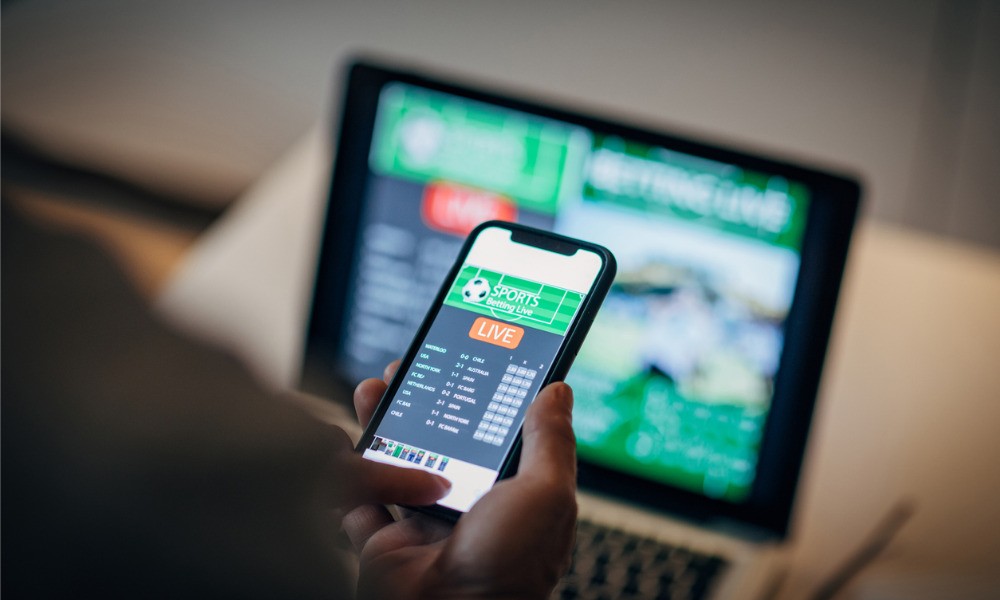
Researching platforms before putting money into them saves you from costly mistakes and potential losses. Many people using casinos de tether skip basic checks and regret it later. Exchanges handle your funds and personal data, so picking the wrong one can end badly. Some platforms look professional but hide serious problems under the surface. Some platforms take hidden fees that reduce your returns without any warning. Taking the time to research at the beginning can save you thousands of dollars in losses. It is often the small details that make the difference between safe and risky platforms.
1. Security infrastructure assessment
Platform security determines whether your assets stay safe or disappear overnight. Check if the exchange uses cold storage for most funds instead of keeping everything connected to the internet. Hot wallets get targeted by hackers because they’re accessible online. Cold storage keeps the majority of assets offline, where attackers can’t reach them. Look for platforms that publish proof of reserves showing they actually hold the assets they claim to have. Two-factor authentication should be mandatory, not optional. Platforms that don’t require it for withdrawals put your money at risk. Review their history of security incidents. Every exchange faces attacks, but how they respond matters. Did they cover losses when breaches happened? Did they improve security afterwards? Platforms that blame users for theft instead of taking responsibility show you how they’ll act if your funds go missing.
2. Fee structure analysis
- Trading fees vary widely between platforms and can range from 0.1% to over 1% per transaction
- Withdrawal charges sometimes exceed the value being transferred, especially for smaller amounts
- Deposit costs get hidden in conversion rates or network fees that platforms markup beyond actual costs
- Inactivity penalties drain accounts that sit idle for months without trades or logins
- Premium tier requirements force high-volume trading to access reasonable fee rates
3. Regulatory compliance status
Operating licenses tell you whether authorities oversee the network or if it runs without supervision. Exchanges registered in known jurisdictions follow rules about customer protection and fund handling. Platforms based in locations with no crypto regulations can disappear with your money and face zero consequences. Check which countries banned or restricted the exchange. Know Your Customer rules can feel inconvenient. They show that a platform follows anti-money laundering laws and works under clear oversight. Platforms that allow trading without verification often attract criminal use and later face closure by authorities. When this happens, user funds can stay frozen for many months or even years during investigations. Licensing requires real cost and constant compliance work. Honest platforms accept this burden while risky ones avoid it and create trouble for users.
4. Liquidity and Volume Verification
Trading volume shows whether enough activity happens to fill your orders at fair prices. Low liquidity means your trades move prices against you, costing more than necessary. Check if the volume comes from real users or wash trading, where the platform fakes activity. Compare order book depth across different exchanges. Platforms with thin order books struggle to execute larger trades without slippage. Withdrawal limits matter when you need to move significant amounts. Some platforms advertise high limits but reject withdrawals when you actually try. Read recent user reports about withdrawal processing times. Delays of weeks or months indicate problems with the platform’s finances or operations. Successful exchanges process withdrawals within hours, not days.